Modular sofas as an architectural innovation in the 21st-century office
Contemporary offices, characterised by dynamic change and the need for adaptation, have forced the evolution of the traditional approach to furnishing. The modular sofa is no longer seen merely as a piece of leisure furniture, but as a strategic architectural system that supports the flexibility and scalability of corporate space.

What is a modular sofa and what are its most important features?
A modular sofa is a sectional piece of furniture consisting of separate elements that users can freely combine and configure. This sectional design fundamentally distinguishes it from furniture with a fixed shape, offering unparalleled flexibility in arranging space.
The foundation of modularity and configuration flexibility
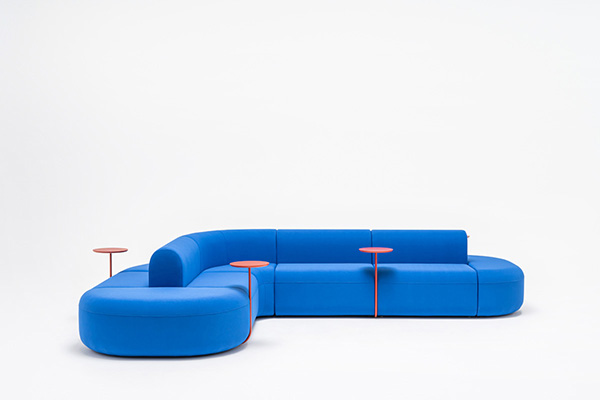
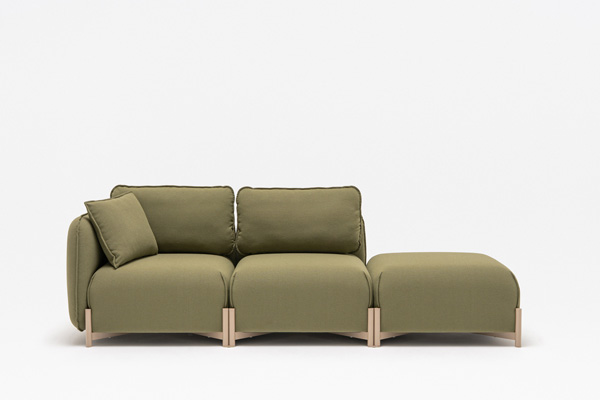
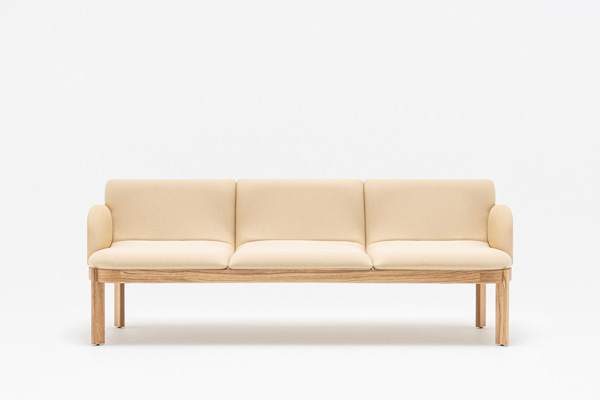
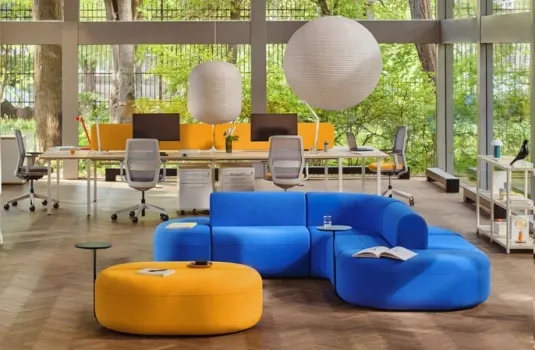
This furniture consists of independent segments, such as seats, corners, chaise longues, pouffes and armrests. This makes it easy to create both a compact two-seater sofa and a spacious U-shaped or corner configuration, adapted to the specific dimensions of the room and the number of users. This ability to be freely configured allows modular furniture to make optimal use of the available space, which is extremely valuable in offices with limited space.
Logistical ease and timeless choice
Modular construction brings significant logistical benefits. The elements are easy to transport and assemble, which is a huge advantage when rearranging an office, moving or needing to quickly adapt the space. In addition, modular furniture often features a timeless design, for example inspired by Scandinavian simplicity, which ensures that the furniture will retain its aesthetic consistency regardless of subsequent expansions and changes in interior design trends.
Modularity as a strategy for anti-obsolescence and TCO optimisation
The key functional advantage of a modular sofa is its adaptability, which protects the investment from rapid ageing. Unlike traditional furniture, which needs to be replaced when a company's needs change, a modular sofa can be expanded with additional elements or reconfigured to fit a new space or an expanded team. This strategic approach to office furniture management significantly extends the life cycle of the furniture. The initial purchase cost (CapEx) is amortised by the long-term service life and the possibility of modernisation – for example, by replacing removable covers. Modularity supports the optimisation of the total cost of ownership (TCO), while also fitting in with modern, ecological values of sustainable consumption.
What is soft seating and how does it differ from traditional seating?
Modular sofas are an important subcategory of the broader trend known as soft seating. This category of upholstered furniture has gained prominence as a result of the evolution of the working environment, particularly in the context of hybrid working, which blurs the boundaries between home and office.
The origins of soft seating and hybrid ergonomics
The term soft seating refers to a wide range of soft office furniture – including armchairs, pouffes and modular seating – that offers the comfort and cosiness typical of home furnishings, but with the durability and functionality required in a commercial environment. For the modern office, this is an investment that must ensure an ergonomic sitting position, high-quality upholstery materials and durability for intensive use. Introducing home office design elements into the company, such as comfortable sofas, makes the office space more friendly, comfortable and aesthetically appealing to employees.
What are the differences between modular sofas and traditional office furniture?
Scalability vs. permanence
Traditional sofas, especially formal ones, impose a rigid layout that can limit the arrangement or, in smaller rooms, create an overwhelming impression. Modular sofas offer the freedom to create layouts tailored to individual needs, allowing for easy changes without having to replace the furniture with new pieces.
Aesthetic consistency and multifunctionality
Modular systems ensure that even if the office is expanded in the future, new elements in the same colour scheme and style can be easily added to the existing set, maintaining aesthetic consistency. What is more, the modules are multifunctional: they can be used as a place to relax, formal seating and, if necessary, thanks to the appropriate configuration and memory foam in the seats, even as an occasional place to sleep, which is a significant advantage.
Strategic justification for the investment (business case and impact on human capital)
Investing in modular seating systems goes beyond aesthetics, serving as a strategic tool that supports organisational culture, productivity and effective space management in a hybrid model.

How do modular sofas support hybrid and co-working?
Supporting flexibility and optimising costs
By definition, a hybrid office space should be flexible and modular, enabling both focused individual work and dynamic team collaboration. Modular furniture is key in this context, as its form can be quickly and conveniently adapted to the current number of people in the office or the nature of a given meeting. These types of solutions are ideal for co-working spaces, hot desking offices and start-up spaces, where the space must be ready for change and ‘grow’ with the company. The ability to quickly reconfigure interiors allows for optimised use of space and minimises the risk of generating excessive costs associated with constant rearrangement or reconstruction.
What is the impact of soft seating on employee retention and organisational culture?
Soft seating as a tool for retention and organisational culture
Investing in comfortable soft seating furniture sends an important strategic signal to employees that the organisation cares about their well-being and the quality of their working environment. Creating a cosy and comfortable environment that mimics the comforts of home is a factor that builds loyalty and encourages a return to the office, which strengthens organisational culture and collaboration. User satisfaction directly translates into their daily productivity. The introduction of relaxation areas equipped with soft seating does not lead to laziness, but — on the contrary — is a necessary element of regeneration. Such a short rest, a momentary break from work, motivates employees to continue their tasks with increased productivity and alleviates the tension resulting from working in an open space.
What is the psychological impact of relaxation zones on team performance?
Stress reduction and increased motivation
Sitting in one position for a long time without the ability to move freely promotes task fatigue. The ability to change position, surrounding space and use a comfortable sofa allows you to reduce stress levels and take a fresh approach to your tasks. A comfortable break, even if short, promotes efficiency and makes it easier to face work responsibilities.
Supporting social interaction
Although open spaces promote general communication, they often do not encourage deeper, informal interactions. Soft seating areas create the ideal conditions for relaxed and friendly communication, allowing team relationships to be built outside the rigid framework of the workplace. These are ideal places for less formal conversations with colleagues or clients.
How does choosing modular sofas affect the sustainability of an office?
Longevity and sustainable choice
Modular sofas offer an investment in durability, which is crucial in high-traffic areas. Instead of replacing the entire piece of furniture every few years, an organisation can develop and modernise its existing set, for example by replacing removable covers, which is an environmentally friendly and economical option. Extending the life of modular furniture and reducing waste is in line with the values of modern, environmentally responsible companies.
Space architecture: practical arrangement strategies
The potential of modules is fully exploited when they are strategically placed in different areas of the office, creating functionally distinct working and relaxation environments.

How to arrange a modular sofa in a reception area and waiting room?
Aesthetic purpose and representative layouts
In reception areas and lobbies, it is essential to maintain aesthetic harmony and a high standard of finish. Models with simple, universal lines are chosen. Office sofas in the lobby can be configured into large, symmetrical layouts that are designed to impress and provide comfort to customers and guests.
Functionality while waiting
An interesting design option is to separate the main sofa modules and divide them with a functional table. The height of the table should be adjusted to the height of the seat so that it can serve as a convenient shelf for drinks, documents or mobile devices. This piece of furniture must serve a representative function without disrupting the natural flow of movement in the space.
What are the strategies for optimising smaller office spaces?
Maximising angles and utilising space
Modular sofas allow you to tailor the furniture to the exact dimensions of the room, eliminating empty spaces that could arise when using fixed-shape furniture. In small offices, the optimal solution is to place the sofa in a corner, using corner or L-shaped layouts, which maximises the available area while providing comfortable seating. For extremely small living rooms, linear layouts are considered, which offer comfort without taking up too much space.
The psychology of colour in interior design
In small spaces, the appearance of the interior is strongly influenced by the colour scheme. Choosing a small sofa in light shades such as white, beige or grey can visually enlarge the room. Light colours reflect light, creating the impression of a more spacious and open interior.
How to transform an open space into a dynamic collaboration zone with modular sofas?
Quick meetings and mobility
In design zones, where spontaneous workshops and brainstorming sessions are the order of the day, it is essential to be able to easily adapt the furniture layout to the current needs of the team. Modular pouffes and lightweight sofas, sometimes equipped with castors, allow for quick reconfiguration of the space. As a result, the open-plan office ceases to be a chaotic place and begins to resemble a mosaic of functional zones.
Creating intimacy
Modular seating allows you to create extensive sets that define semi-formal relaxation or meeting areas, enabling informal conversations without disrupting work in other parts of the office.
Table 1: Functional matrix for the use of modular sofas in office areas
| Office area | Main purpose of use | Recommended modular configuration | Key functional requirements |
| Reception/lobby | Representation, customer waiting area | Linear, block or symmetrical arrangements | High durability, easy cleaning, integration with technology (charging), elegant design |
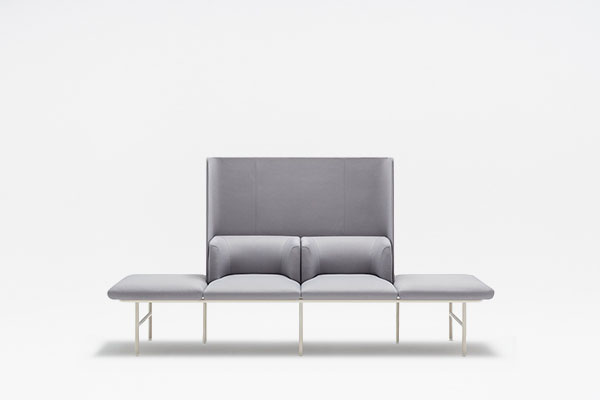
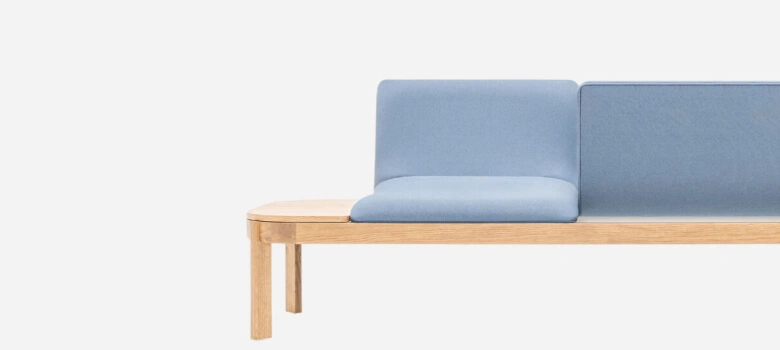
| Open space / quiet work zones | Concentrated work, confidential conversations | Modules with high backrests (High-Back) | Acoustic properties, integrated power supply (USB), narrow tables/shelves |
| Chill-out/relaxation area | Regeneration, rest | Spacious U-shaped layouts, deep, soft sections | Ergonomic support, memory foam, cosy aesthetics (Home Design) |
| Design zone (War Room) | Creative workshops, brainstorming | Lightweight, mobile poufs and small modules, easy to move around | Mobility (e.g. on castors), quick reconfiguration by the user |
Modular sofas as an acoustic and technological integration tool
In the context of office design, modular seating systems serve an infrastructural function, supporting acoustics and technological integration, which is essential for effective work in open spaces.

How do modules with high backrests support office acoustics?
Acoustic micro-architecture and zone separation
In open-plan offices, acoustics and privacy are among the biggest challenges. Modular sofas offer an innovative solution to this problem by designing furniture with high sound-absorbing properties. Sofas equipped with unique high-backrests act as natural partitions, creating intimate and private spaces in large, open areas. These collections allow you to build any seating arrangement you want, which also acts as an effective sound barrier, which is key to ensuring focus and confidentiality during conversations.
Introducing acoustic sofas into the office is a highly cost-effective mechanism compared to traditional infrastructure investments. Acoustic modules are much more flexible and cheaper to install, dismantle and rearrange than building permanent glass partitions or conventional conference rooms. In a hybrid working environment, where there is a huge demand for small, informal spaces for quick video conferences and conversations, the use of acoustic modules maximises the use of office floor space.
What technological integrations should modern seating modules have?
Integrated power supply and functional accessories
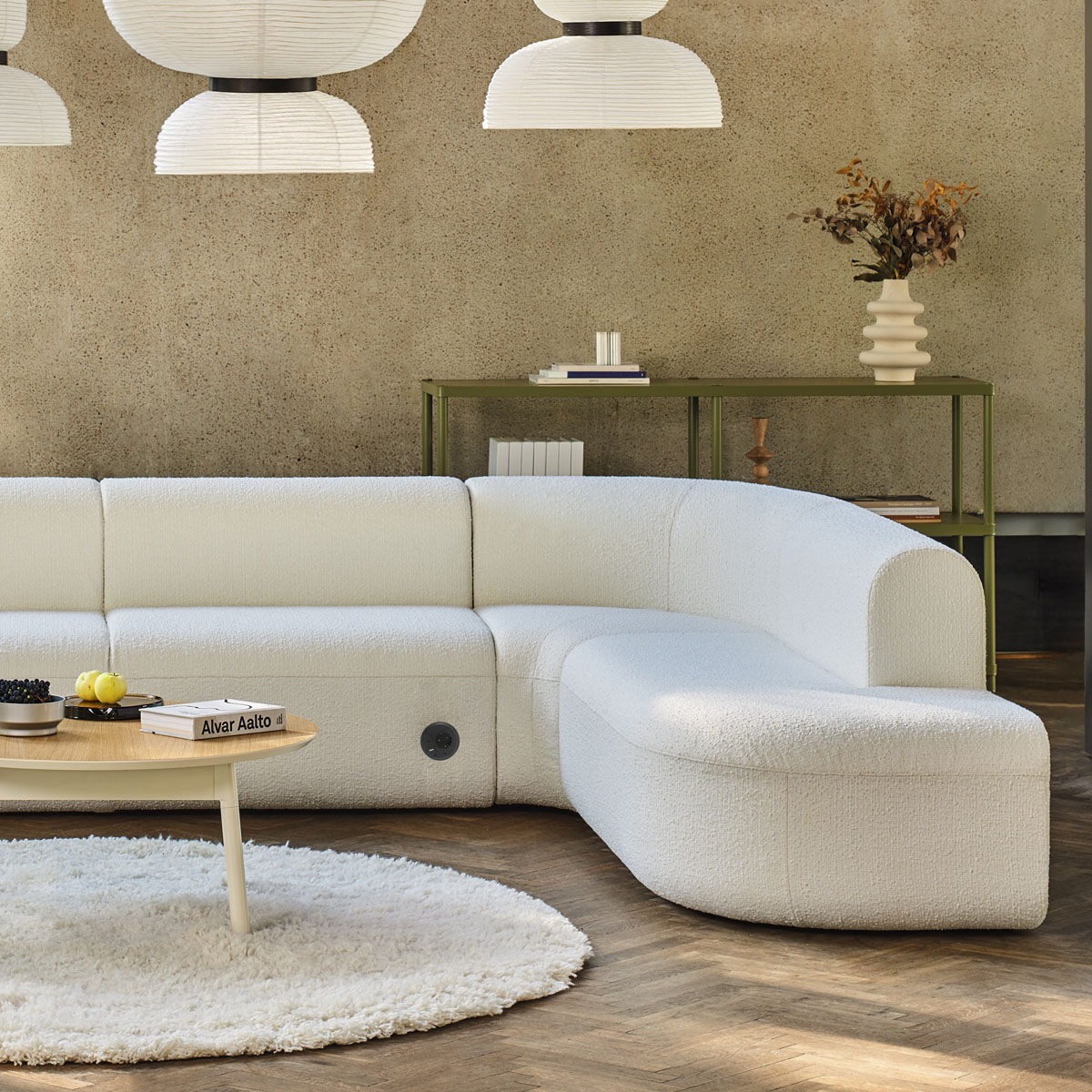
In order for soft seating areas to fully serve as workstations (Smart Workpoints), they must be integrated with modern technology. Modern modular office seating can be equipped with integrated technical solutions such as USB ports and power sockets. This functionality allows employees to work freely with their laptops and charge their mobile devices, transforming the relaxation area into a fully operational, albeit informal, workplace. In addition, the ability to incorporate or attach tables and shelves between modules not only facilitates relaxation, but also design work, minimising the risk of laziness and ensuring the usability of the furniture throughout the working day.
Choosing materials and design for commercial environments (investment criteria)
To ensure long-term return on investment (ROI) and durability of office furniture, it is essential to apply commercial criteria when choosing materials and design.

What features ensure the longevity of office sofas?
Durability of upholstery and ease of cleaning
Office furniture in the soft seating category is subject to intensive use by many employees. Durability is therefore key to reducing operating costs and maintaining aesthetics. In high-traffic areas (e.g. reception areas, cafés), choose high-quality upholstery that is wear-resistant, easy to clean and maintain. Investing in materials that offer above-average durability and aesthetics ensures that the furniture will serve you for many years.
Structural integrity
Modular office furniture must be structurally sound, which is particularly important in the context of frequent rearrangement and reconfiguration. Choosing products from reputable manufacturers that offer a long warranty is a guarantee of the longevity of the equipment.
How to choose the right materials and filling for comfort?
Filling quality
Seats should be filled with high-quality materials, such as memory foam, which not only ensures complete comfort but also maintains the shape of the furniture despite intensive use. Comfortable sofas with ergonomic back support directly affect user satisfaction.
Design and usability
Soft seating furniture must have a universal design that harmoniously blends in with the rest of the interior. It allows you to create cohesive and unique interiors that are both functional and aesthetically suited to the character of the brand.
Does the personalisation of modular sofas affect their business value?
Personalisation and aesthetic consistency
The possibility of personalisation is one of the key advantages of modular furniture, allowing you to create pieces that are perfectly suited to the lifestyle and needs of your organisation. Most modular systems available on the market offer extensive personalisation options, including a choice of fabrics, colours, legs and additional features. The choice of colour and style of the furniture should be consistent with the corporate image. Modern tools, such as online configurators, allow you to compose your own sofa and visualise its appearance before making a final purchase decision.
Strategic summary and recommendations for implementation
How is a modular sofa a strategic CapEx investment?
Strategic Capital Expenditure (CapEx)
A modular sofa is one of the most strategic elements in modern office furnishings because its value lies in its adaptability and flexibility, characteristics that define effective commercial space design in the era of hybrid working.
Investing in modules offers an advantage over traditional furniture because it supports the long-term development of the organisation. Modular furniture is designed to be easily changed and expanded according to current needs, while maintaining aesthetic consistency. This means that capital expenditure is secured and the functionality of the furniture can evolve with the organisation, maximising return on investment (ROI).
Table 2: Investment comparison - modular sofa vs. traditional office sofa
| Criteria | Modular sofa | Traditional office sofa |
| Flexibility/adaptability | Maximum; can be freely reconfigured and reshaped | Limited; fixed layout imposes a rigid design framework |
| Long-term ROI/TCO | High; possibility of modernisation and expansion extends the life cycle of the furniture (anti-obsolescence) | Low; when office needs change or the office moves, the furniture often needs to be completely replaced |
| Support for hybrid offices | Essential; allows for quick creation of collaboration/focus zones | Marginal; does not provide the required level of arrangement flexibility |
| Logistics (transport/assembly) | Easy and quick thanks to its segmented construction | More difficult and expensive, especially in the case of large dimensions |
| Acoustic control | Can be integrated (high backrests) to create privacy zones | Does not usually offer acoustic functionality |
What are the key recommendations for Facility Managers?
Practical implementation guidelines
In order to fully exploit the potential of modular sofas in office design, it is recommended to adopt the following key strategic assumptions:
- Flexibility and mobility audit: before making a purchase, carefully assess the purpose of each zone. In design zones, co-working areas and places for quick collaboration, the priority should be lightweight, mobile (often on castors) and easy-to-connect modules that users can rearrange themselves.
- Technological integration is a requirement: sofas intended for zones that are to serve as workspaces (Ad-Hoc Collaboration) must have integrated power sources. Modules without USB or electrical sockets are useless as Smart Workpoints and should be excluded from such zones.
- Holistic acoustic design: modules with high backrests should be treated as architectural elements that support office ergonomics, not just furniture. They should be strategically placed to maximise privacy and reduce noise in open spaces, which has a direct impact on focused work performance.
- An eco-responsible and sustainable choice: the investment should focus on modules with durable, easy-to-maintain upholstery designed for commercial use. The ability to upgrade the upholstery instead of replacing the entire piece of furniture is key to ensuring the longevity of the equipment and reducing the office's environmental footprint.
Why is a modular sofa the centrepiece of a modern office?
Final conclusion
The modular sofa is the centrepiece of modern, hybrid and inclusive office architecture. Its potential is undeniable: it enables quick and economical adaptation of space to the dynamically changing needs of the organisation, supports social interaction and employee well-being, and, thanks to its durability and scalability, ensures the highest return on investment in the long term. However, effective use of this potential requires strategic planning that takes into account not only aesthetics, but above all acoustic and technological functions and configuration flexibility.